How to Store Perfume Properly: The Complete Preservation Guide
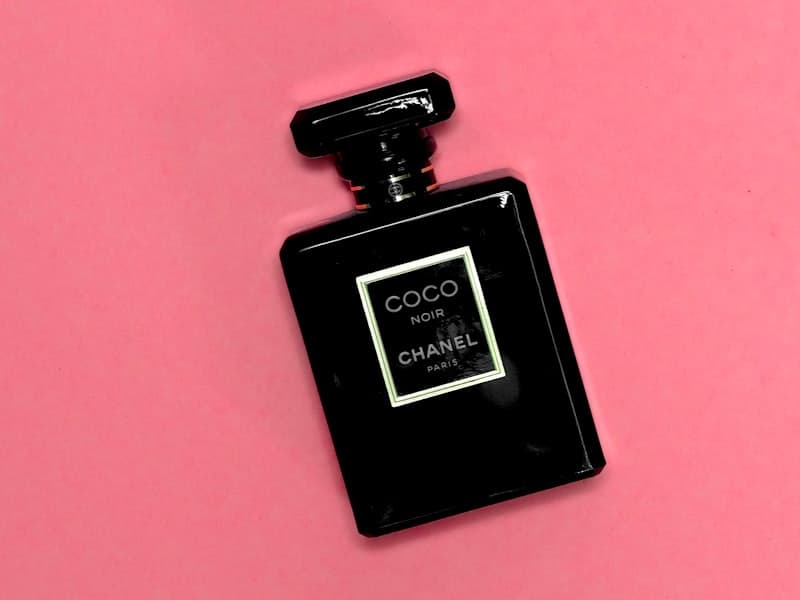
Why Proper Perfume Storage Matters
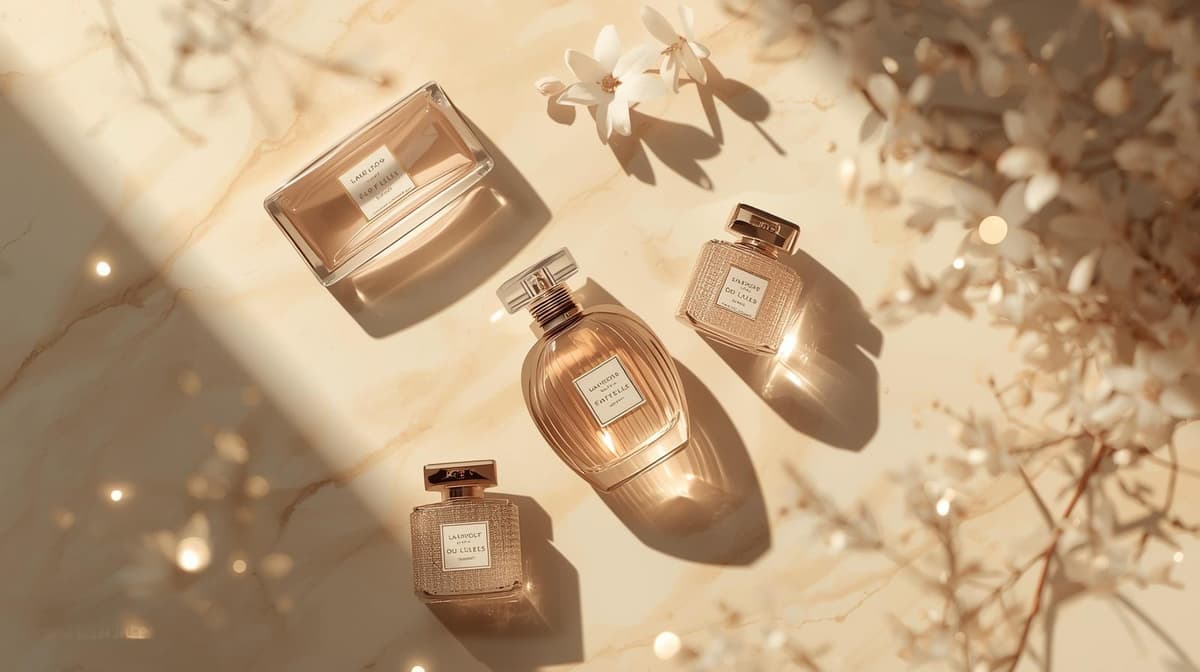
A fragrance collection can include bottles with different materials, formulas, and histories. Poor storage can change a perfume over time, so simple habits that reduce light, heat, and repeated air exposure are useful precautions.
Perfume is a delicate chemical composition. The aromatic compounds that create its beautiful scent are susceptible to degradation from heat, light, oxygen, and humidity. Understanding these factors and taking simple precautions can help reduce avoidable changes, although no storage method guarantees a particular lifespan.
This guide covers everything you need to know about storing perfume properly, from the science of degradation to practical storage solutions, shelf life expectations, and how to recognize when a fragrance has gone bad.
The Four Enemies of Perfume
1. Heat
Heat is the number one enemy of fragrance. High temperatures accelerate the chemical reactions that break down aromatic compounds. The volatile top notes are particularly susceptible — heat causes them to evaporate even inside a closed bottle, gradually changing the composition of the fragrance.
Practical point: Avoid sustained heat and rapid temperature changes when you can; the effect of storage depends on the formula, container, exposure, and product guidance.
What to do: Store perfumes in a cool, dark place with relatively stable conditions. Avoid bathrooms, windowsills, and locations near heat sources; follow the manufacturer or label guidance when it differs.
2. Light
Light, particularly ultraviolet (UV) radiation, causes photodegradation of fragrance molecules. This is why many perfumes come in dark or opaque bottles — the manufacturer is already trying to protect the contents. But even dark glass cannot fully protect against prolonged light exposure.
The science: UV light has enough energy to break chemical bonds in fragrance molecules, creating new compounds that alter the scent. Citrus notes and certain florals are especially vulnerable to photodegradation. You might notice a yellowing or darkening of the liquid — this is a visible sign of light damage.
What to do: Store perfumes away from direct sunlight and strong artificial light. A drawer, closet, or cabinet is ideal. If you want to display your collection, consider keeping display bottles as decorative items and storing your actual-use bottles in a dark location.
3. Oxygen
Every time you spray a perfume, air enters the bottle to replace the dispensed liquid. This oxygen gradually oxidizes the fragrance compounds, altering their chemical structure and changing the scent. Oxidation typically affects top notes first, making them smell sharper, more metallic, or less vibrant.
The science: Oxidation reactions change the molecular structure of terpenes, aldehydes, and other fragrance compounds. Citrus oils are particularly prone to oxidation, which is why citrus-dominant fragrances tend to have shorter shelf lives.
What to do: Always keep the cap tightly sealed when not in use. Avoid transferring perfume to open-mouth containers. If you have a large bottle that will take years to finish, consider decanting a portion into a smaller atomizer for daily use to minimize the number of times you open the main bottle.
4. Humidity
High humidity can affect perfume in several ways. Moisture can interact with the fragrance compounds, causing hydrolysis (a chemical reaction with water that breaks down certain molecules). It can also affect the packaging, causing labels to peel, metal components to corrode, and spray mechanisms to malfunction.
What to do: Prefer a dry storage area and avoid routine bathroom humidity; a precise humidity threshold is not a universal requirement for every product. Again, avoid the bathroom — despite the common practice of keeping perfume on the bathroom counter, the humidity from daily showers is one of the worst environments for fragrance preservation.
Concentration and Storage
Not all perfumes age at the same rate. The concentration of aromatic compounds and the type of ingredients both play a role in longevity.
Eau de Cologne (EDC)
Concentration and ingredients can affect how an eau de cologne changes, but there is no reliable universal expiry timetable. Follow the product label and judge the bottle by its observed condition.
Eau de Toilette (EDT)
An eau de toilette may change differently from another formula; use the label and your own observations rather than a fixed number of years.
Eau de Parfum (EDP)
An eau de parfum may develop differently depending on its ingredients and storage; concentration alone does not establish a guaranteed lifespan.
Parfum (Extrait)
A parfum or extrait can also change with its ingredients, container, and storage. Some collectors enjoy older bottles, but age is not a guarantee of better quality or continued skin suitability.
Important caveats
These are general guidelines. Natural ingredients tend to degrade faster than synthetics. Citrus and green notes are less stable than woods and musks. Some fragrances contain stabilizers and antioxidants that extend shelf life significantly.
Signs of a Turned or Expired Perfume
How do you know if a perfume has gone bad? Here are the telltale signs:
Color changes: The liquid has become significantly darker, turned yellow when it was previously clear, or developed a brownish tint. Some darkening with age is normal, but dramatic color changes indicate degradation.
Scent changes: The fragrance smells different than you remember — sharper, more acidic, metallic, or like nail polish remover (acetone). If the top notes have disappeared entirely and the fragrance opens flat and dull, oxidation has likely set in.
Separation: The liquid appears cloudy, has visible particles floating in it, or has separated into layers. This indicates that the emulsion has broken down.
Skin reaction: A previously well-tolerated fragrance suddenly causes irritation, redness, or itching. Degraded compounds can become skin sensitizers.
Weakened performance: The fragrance does not last as long or project as well as it used to. This often indicates that the volatile top and heart notes have degraded.
The Decanting Guide: Travel and Preservation
Decanting — transferring perfume from its original bottle to smaller containers — serves two purposes: making fragrances travel-friendly and preserving larger bottles by reducing air exposure.
Equipment you will need
- Glass atomizer vials (5mL or 10mL are most practical)
- A small funnel or transfer pipette
- Labels for identifying your decants
- A well-lit workspace with paper towels for any spills
How to decant properly
From a spray bottle: Remove the cap and spray directly into the atomizer vial. This is the simplest method. Use a small funnel to catch any overspray. Count your sprays to estimate the volume transferred (most fragrances deliver about 0.1mL per spray).
From a splash bottle: Use a small funnel placed directly in the atomizer opening. Carefully pour a small amount of fragrance through the funnel. Work slowly to avoid spills and waste.
Decanting tips for preservation
- Use dark glass vials to protect against light
- Fill vials as full as practical to minimize air space
- Label each vial with the fragrance name and date of decanting
- Store decants with the same care as original bottles
- Use decants according to the product guidance and their observed condition
Display vs. Preservation: Finding the Balance
Many fragrance collectors face a dilemma: they want to display their beautiful bottles, but display conditions (light, temperature fluctuations) are the opposite of ideal storage conditions. Here are strategies for balancing aesthetics with preservation:
The rotation system: Keep 5 to 10 "current rotation" bottles on a vanity or shelf for easy access and visual enjoyment. Store the rest of your collection in a cool, dark closet or drawer. Rotate bottles in and out based on season and mood.
Display copies: For prized or discontinued bottles, consider keeping an empty or sample-sized bottle for display and storing the full bottle in optimal conditions.
Smart display shelving: If you must display, choose a location away from windows and direct light. Enclosed glass cabinets with solid backs are better than open shelving. Consider adding a small UV-filtering film to glass doors.
Climate-controlled storage: A dedicated wine cooler is usually unnecessary for ordinary home storage. Prioritize a cool, dark place with stable conditions and follow the manufacturer's guidance for the product.
Tracking Your Collection with ScentShelf
Proper storage is just one aspect of collection management. ScentShelf helps you catalog bottles, record usage patterns, and keep your collection organized even when bottles are stored out of sight. It does not predict expiry or provide storage reminders, so use the product label and your own observations.
Combining sensible physical storage with digital organization through ScentShelf can make your collection easier to manage, but it cannot guarantee a bottle's future performance. Download ScentShelf to keep your fragrance diary organized.
Ready to Start Your Fragrance Journey?
Download ScentShelf and keep your collection and wear history together.
Related Articles
How to Test Perfume Samples Before Buying a Full Bottle
Use a practical three-wear perfume sample method to follow the dry-down, compare real-life contexts, record your reactions, and decide whether a fragrance has a clear role in your collection.
Understanding Fragrance Notes: A Complete Guide to Top, Heart & Base
Explore the fragrance note pyramid as a descriptive teaching model. Learn how top, heart, and base notes may interact and change on your skin, while observing your own opening and dry-down instead of following a universal timetable.