Niche vs Designer Perfumes: A Practical Guide to Understanding the Difference
The Great Divide in Perfumery
Walk into any department store and you will find rows of beautifully packaged fragrances from fashion houses you know by name — Chanel, Dior, Tom Ford, Yves Saint Laurent. These are designer fragrances. But venture into a specialty fragrance boutique, and you will discover an entirely different world — smaller brands with names like Byredo, Le Labo, Amouage, and Frederic Malle. These are niche fragrances.
The distinction between niche and designer perfumery is one of the most discussed topics in the fragrance community, and understanding it can fundamentally change how you approach, appreciate, and build your collection. This guide breaks down everything you need to know — from what defines each category to specific recommendations for exploring both worlds.
What Makes a Perfume "Designer"?
Designer fragrances are produced by fashion and luxury houses whose primary business is not perfumery. Brands like Chanel, Dior, Gucci, Prada, Versace, and Dolce & Gabbana create fragrances as extensions of their fashion brand identity. These perfumes are widely distributed through department stores, duty-free shops, and online retailers.
Key Characteristics of Designer Fragrances
Mass appeal: Designer fragrances are formulated to appeal to the broadest possible audience. The goal is to create something that most people find pleasant and wearable. This often means smoother, more familiar scent profiles with less experimental compositions.
Marketing-driven: A significant portion of the cost goes into advertising, celebrity endorsements, and beautiful packaging. It is not uncommon for a designer fragrance to spend more on marketing than on the actual juice inside the bottle.
Consistent quality control: Large houses have rigorous quality control processes, ensuring that every bottle smells exactly the same. This consistency is a genuine advantage — you always know what you are getting.
Reformulation risk: Designer fragrances are sometimes reformulated over time due to IFRA regulations, cost optimization, or ingredient sourcing changes. This means a beloved fragrance you purchased years ago may smell slightly different today.
Price: Prices vary widely by house, size, market, and edition, so check the current seller listing rather than treating a range as universal.
What Makes a Perfume "Niche"?
Niche fragrances come from houses whose primary — often sole — focus is perfumery. These brands exist to create exceptional, distinctive fragrances without the pressure of mass-market appeal. Names like Creed, Amouage, Maison Francis Kurkdjian, Frederic Malle, Byredo, Le Labo, Xerjoff, Parfums de Marly, Initio, and Roja Parfums define this category.
Key Characteristics of Niche Fragrances
Artistic vision: Niche perfumers have more creative freedom to pursue unusual combinations, challenging compositions, and concept-driven creations. The perfumer's artistic vision drives the product, not market research.
Ingredients: Ingredient choices, concentration, and formula complexity vary by brand. Niche positioning alone does not prove higher quality or stronger performance.
Limited distribution: Niche fragrances are typically sold through specialized fragrance retailers, brand boutiques, and curated online shops rather than mass-market department stores. This exclusivity is part of the appeal.
Stronger emphasis on the perfumer: In niche perfumery, the perfumer (the "nose") is often celebrated by name. Frederic Malle's entire brand concept is to showcase individual perfumers, listing them on the bottle like movie directors.
Price: Prices vary widely by house, size, market, and edition, and a higher price does not establish better quality.
Price Comparison and Value Analysis
The question "Is niche worth the extra money?" is one of the most debated topics in perfumery. Here is an honest analysis:
What can shape the price
A fragrance price can reflect materials, packaging, distribution, marketing, retailer costs, exclusivity, taxes, and the brand's positioning. Public percentage breakdowns are not universal, so compare the bottle, seller, size, and your own experience rather than assuming where a price goes.
The price of a fragrance can reflect materials, packaging, distribution, marketing, retailer costs, exclusivity, taxes, and brand positioning. Public percentage breakdowns are not universal; compare the bottle, seller, size, and your own experience.
The value sweet spot
Some wearers explore the “affordable niche” category — brands like Mancera, Montale, Rasasi, and Armaf — and compare prices, materials, and scent profiles with designer options. Marketing and ingredient choices vary by house.
Quality of Ingredients: Myth vs. Reality
One of the most common claims is that niche fragrances use "better" ingredients. Let us examine this nuance by nuance.
Natural vs. synthetic: Neither natural nor synthetic is inherently "better." Many of the most beautiful modern fragrances rely on synthetic molecules (like Ambroxan, Iso E Super, and various musks) that simply do not exist in nature. The best perfumers use both naturals and synthetics strategically.
Concentration: Concentration can affect how a fragrance develops, but it does not by itself determine quality, longevity, or how a scent will perform on an individual wearer.
Ingredient sourcing: Some houses source particular grades of raw materials. These choices may be noticeable to trained noses, while other wearers may not notice a difference.
Niche Houses to Explore
Here are niche houses you can explore, along with examples of scents associated with each:
- Maison Francis Kurkdjian — Signature: Baccarat Rouge 540. A luminous amber fragrance that created an entirely new genre. Also explore: Grand Soir, Petit Matin, Oud Satin Mood.
- Creed — Signature: Aventus. A widely discussed niche example with a pineapple-birch-musk profile. Also explore: Green Irish Tweed, Silver Mountain Water, Viking.
- Amouage — Signature: Interlude Man. Opulent, complex Middle Eastern-inspired compositions with profiles that some wearers find rich and persistent. Also explore: Reflection Man, Jubilation XXV, Memoir Man.
- Le Labo — Signature: Santal 33. The cult sandalwood fragrance that defined downtown cool. Also explore: Rose 31, Another 13, Bergamote 22.
- Frederic Malle — Signature: Portrait of a Lady. A rose and patchouli example by Dominique Ropion. Also explore: Musc Ravageur, Carnal Flower, The Night.
- Byredo — Signature: Gypsy Water. Minimalist, evocative Scandinavian perfumery. Also explore: Bal d'Afrique, Mojave Ghost, Blanche.
- Xerjoff — Signature: Naxos. An Italian house example with gourmand compositions. Also explore: Erba Pura, Alexandria II, Nio.
- Parfums de Marly — Signature: Layton. French house inspired by 18th-century royal perfumery. Also explore: Pegasus, Herod, Delina.
- Initio Parfums — Signature: Side Effect. Focused on the psychological effects of fragrance. Also explore: Oud for Greatness, Musk Therapy, Rehab.
- Roja Parfums — Signature: Elysium. Ultra-premium British house by master perfumer Roja Dove. Also explore: Enigma, Scandal, Danger.
Designer Houses to Explore
Designer houses also produce distinctive fragrances. The examples below are starting points for personal comparison, not a ranking:
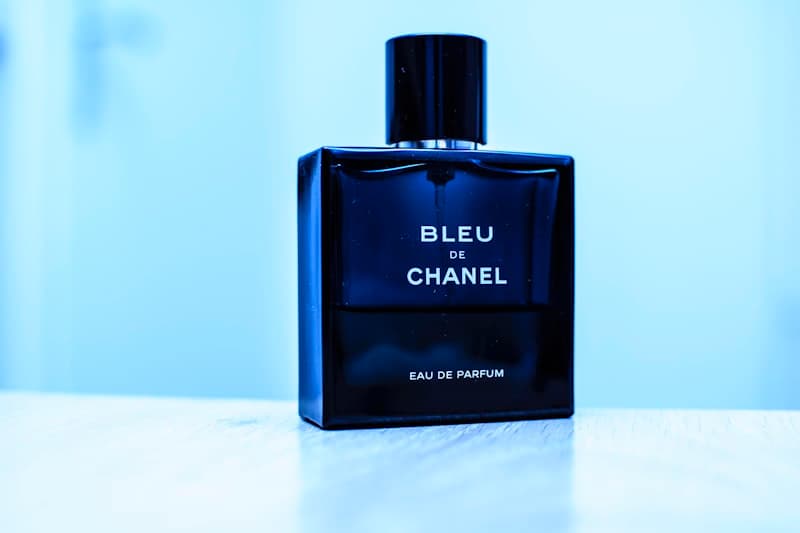
- Chanel — Example: Bleu de Chanel EDP. Other examples: Allure Homme Sport Eau Extreme, Coco Mademoiselle.
- Dior — Example: Sauvage Elixir. Other examples: Fahrenheit, Homme Intense, Miss Dior EDP.
- Tom Ford — Example: Tobacco Vanille. Other examples: Oud Wood, Tuscan Leather, Lost Cherry.
- Yves Saint Laurent — Example: La Nuit de l'Homme. Other examples: Y EDP, Libre, Black Opium.
- Giorgio Armani — Example: Acqua di Gio Profondo. Other examples: Armani Code Absolu, Prive line.
- Versace — Example: Pour Homme. Other examples: Eros, Dylan Blue.
- Prada — Example: Luna Rossa Carbon. Other examples: L'Homme, Infusion d'Iris.
- Guerlain — Example: L'Homme Ideal EDP. Other examples: Shalimar, Habit Rouge, Vetiver.
- Hermes — Example: Terre d'Hermes. Other examples: Un Jardin series, Twilly.
- Valentino — Example: Uomo Born in Roma. Other examples: Donna Born in Roma.
How to Transition from Designer to Niche
If you have been wearing designer fragrances and want to explore the niche world, here is a practical roadmap:
Step 1: Sample before buying. Niche fragrances are expensive, and their more unconventional profiles may not all appeal to you. Many brands offer discovery sets, but contents and prices vary; sampling before a full bottle can help you compare a scent with your own preferences.
Step 2: Start with accessible niche. Some niche fragrances are deliberately crowd-pleasing while maintaining niche quality. Start with: Parfums de Marly Layton, MFK Baccarat Rouge 540, Creed Aventus, or Le Labo Santal 33.
Step 3: Explore by note family. If you love Dior Sauvage (ambroxan-heavy), try Juliette Has a Gun Not a Perfume (pure ambroxan) or MFK Amyris Homme. If you love Bleu de Chanel (woody-aromatic), try Le Labo Bergamote 22 or Byredo Super Cedar.
Step 4: Visit niche boutiques. The experience of visiting a dedicated fragrance boutique — where knowledgeable staff can guide you through an extensive collection — is completely different from the department store experience. Take your time, try multiple fragrances, and let them develop on your skin.
Step 5: Join the community. Online fragrance communities on Reddit (r/fragrance), YouTube, and Instagram are invaluable resources for discovering niche gems. Follow reviewers whose taste aligns with yours.
Building a Balanced Collection
The most satisfying fragrance collection is not purely niche or purely designer — it is a thoughtful blend of both. Here is a framework for building a well-rounded wardrobe:
Daily drivers (2 to 3 fragrances): Versatile, office-appropriate scents. These can be designer or accessible niche. Examples: Bleu de Chanel, Dior Sauvage, MFK Petit Matin.
Evening and special occasion (2 to 3 fragrances): More complex, statement-making scents. This is where niche excels. Examples: Tom Ford Tobacco Vanille, MFK Grand Soir, Amouage Interlude Man.
Seasonal specialists (2 to 4 fragrances): Fragrances specifically chosen for certain weather. Summer fresh (Acqua di Gio Profondo), winter warm (Xerjoff Naxos).
Signature scent (1 fragrance): The one fragrance that defines you. This is deeply personal and could be from either category.
Tracking Your Niche and Designer Collection with ScentShelf
Whether you collect niche exclusives, designer classics, or both, ScentShelf helps you catalog every bottle with photos and notes, track which fragrances you wear most often to inform future purchases, discover patterns in your preferences (do you lean niche or designer?), and share reviews with a community of fellow fragrance enthusiasts.
Your fragrance journey — whether it begins at a department store counter or a niche boutique — deserves to be documented and celebrated. Download ScentShelf and start building your personal fragrance diary today.
Ready to Start Your Fragrance Journey?
Download ScentShelf and keep your collection and wear history together.
Related Articles
How to Test Perfume Samples Before Buying a Full Bottle
Use a practical three-wear perfume sample method to follow the dry-down, compare real-life contexts, record your reactions, and decide whether a fragrance has a clear role in your collection.
Understanding Fragrance Notes: A Complete Guide to Top, Heart & Base
Explore the fragrance note pyramid as a descriptive teaching model. Learn how top, heart, and base notes may interact and change on your skin, while observing your own opening and dry-down instead of following a universal timetable.